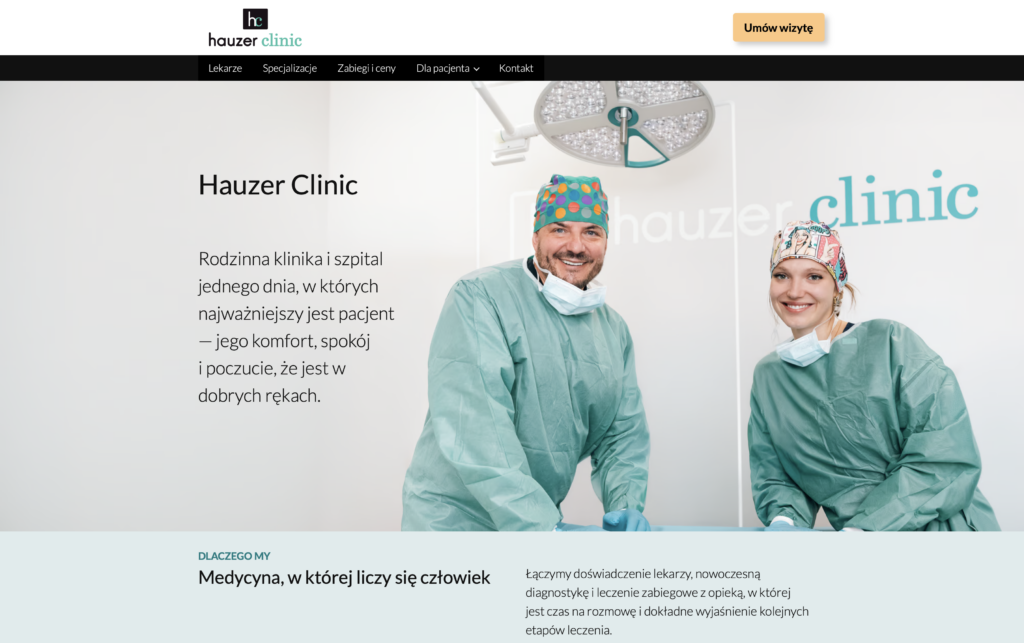
Hauzer Clinic
Custom WordPress website design and development for a complex medical organisation — from information architecture and UX to UI, content management, photography and SEO.
23
medical specialties
108
procedures
33
staff profiles
218
pricing entries
14 500
lines of custom code
22
custom blocks
3
language versions
61
content management fields
A website that outgrew its structure
Hauzer Clinic is a family-run medical clinic and day surgery hospital near Wrocław, Poland, offering a wide range of healthcare services: dozens of medical specialties, more than a hundred procedures and diagnostic services, and a multidisciplinary team of doctors.
As the clinic expanded, so did its website. New information was continually added to the existing structure until the website could no longer accommodate the scale and complexity of the clinic’s services.
The previous website primarily reflected the clinic’s organisational structure rather than the way patients look for information. Services were divided between adult outpatient clinics, paediatric outpatient clinics and the day surgery hospital. As a result, the same content appeared in different parts of the website, and finding the right information required an understanding of how the clinic itself was organised.
Patient needs, not departments
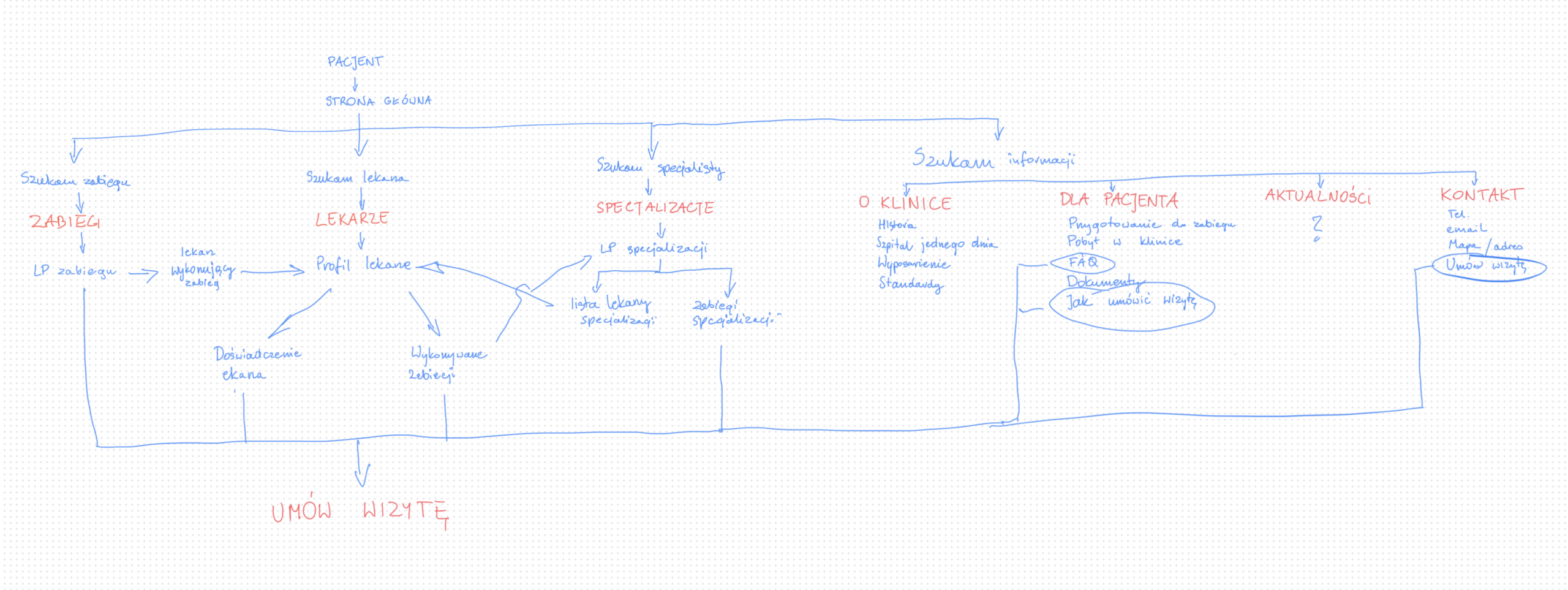
The starting point for the new information architecture was a simple question: Why does a patient visit the website?
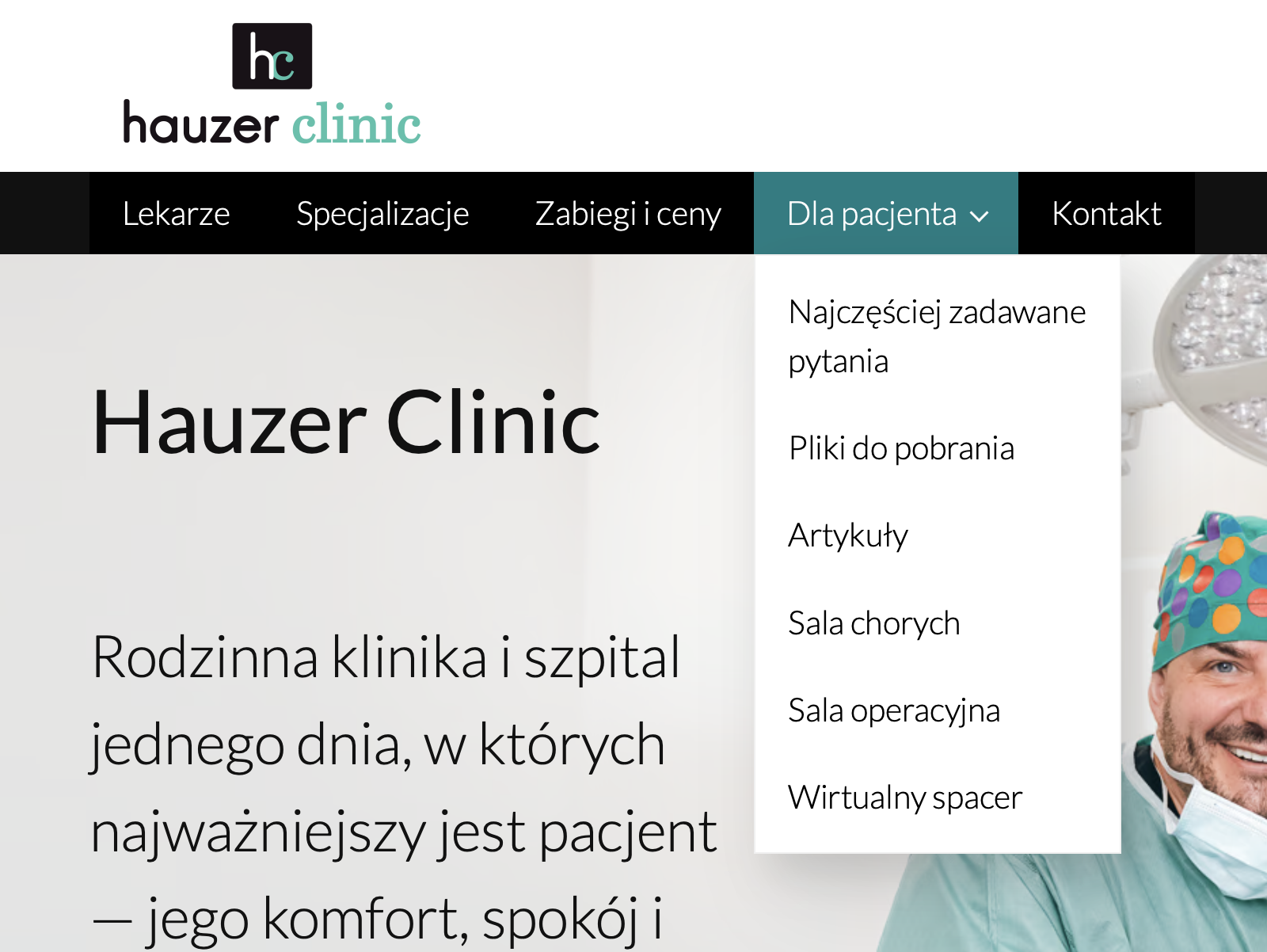
They might be looking for a specific procedure, a doctor or a specialist who can help with their condition. They might need information about the clinic, how to prepare for treatment or how to book an appointment.
Early in the project, I mapped these user journeys and the relationships between the website’s core content. The resulting structure is built around four interconnected types of information:
Medical specialty ↔ Procedure ↔ Doctor ↔ Price
The new website doesn’t expect patients to understand Hauzer Clinic’s organisational structure. Instead, it lets them start with what they already know and guides them towards the information they need.
Structure behind the scenes, too
The website’s content isn’t a collection of isolated pages. It consists of structured, interconnected data. Doctors are linked to specialties and procedures, procedures are connected to doctors and specialties, and pricing draws on the same underlying information.
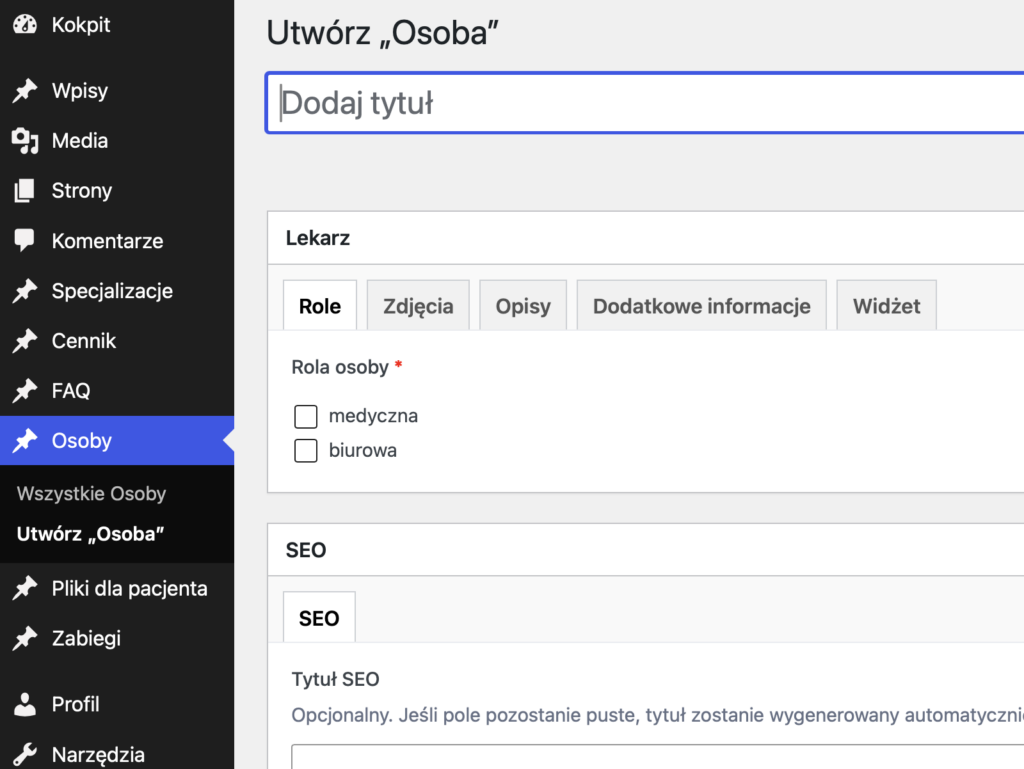
I designed and developed a custom WordPress content management system tailored to the clinic team’s everyday workflow. Adding a doctor, procedure or specialty means entering the relevant information and defining its relationships. The editing forms adapt to context, displaying only the fields needed for a particular task.
From this data, the website automatically generates the appropriate views using custom templates and WordPress blocks. Editors manage information, not layouts — they don’t have to worry about page structure or whether the interface will break after the next update.
The entire system uses just one additional plugin. Fewer dependencies mean simpler maintenance, fewer potential conflicts and a smaller attack surface.
SEO that stays out of the way
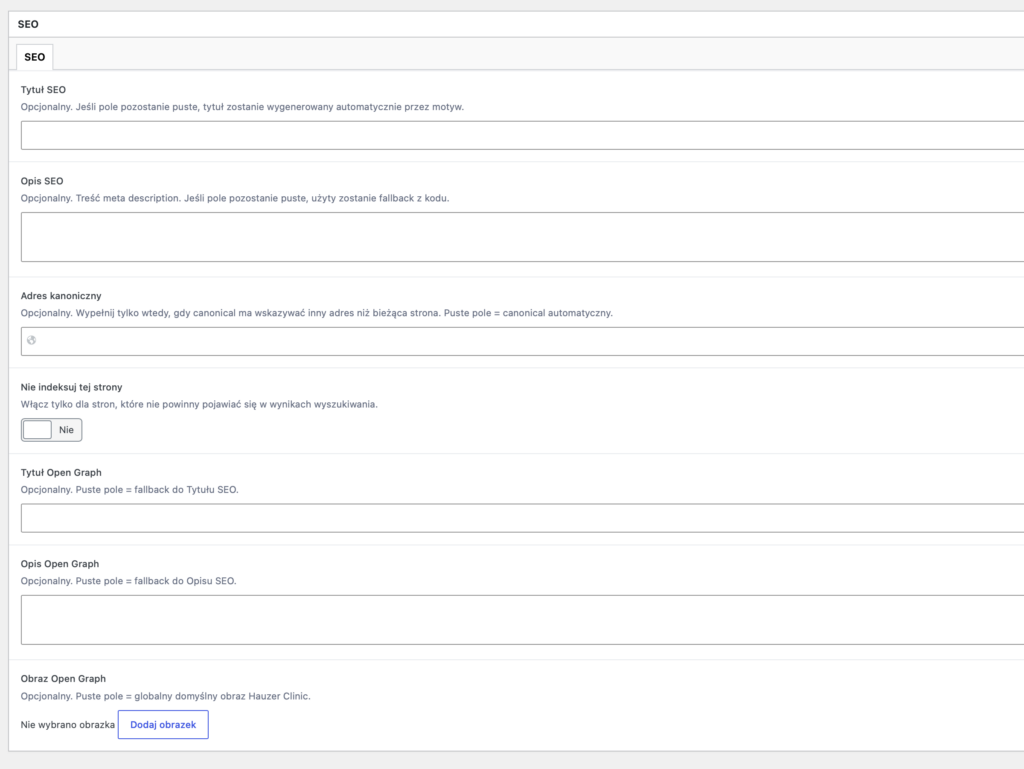
SEO is integrated directly into the content management system. Clinic staff can manage the most important search-related information in one place. When a field is left empty, the website automatically generates essential metadata, including page titles, meta descriptions and canonical URLs. Nothing gets overlooked simply because someone forgot to fill something in.
The previous website also tried to improve search visibility through copy such as:
“Our clinic specialises in vascular surgery, which we provide near Wrocław, in Żerniki Wrocławskie.”
The keyword was in the right place. The reader, perhaps less so.
The new website doesn’t have less search-engine structure. It has more — but that structure lives where it belongs: in information architecture, semantic markup, relationships between content, internal linking, structured data and well-written copy — rather than forcing “near Wrocław” into a sentence twice in the same breath.
SEO and content optimisation for AI-powered search became part of the website’s architecture, not something visitors should notice while reading.
Pricing shouldn’t be a dead end
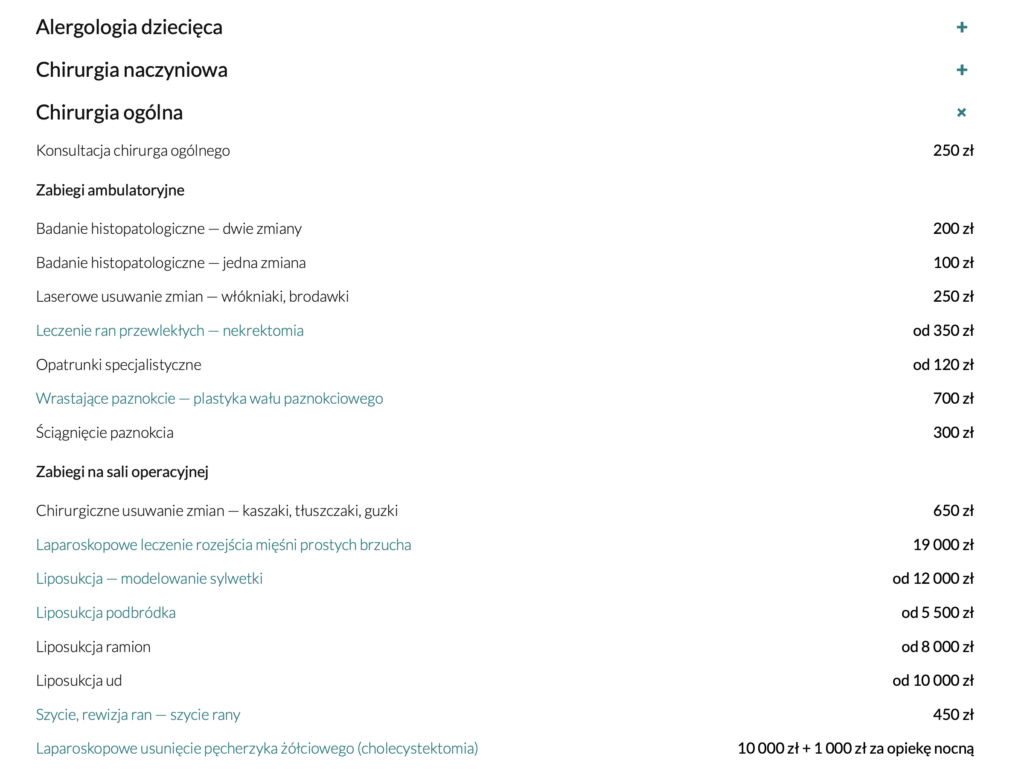
With 218 entries, the pricing section is one of the website’s most frequently visited areas. On the previous website, however, it was essentially a long list. Finding a specific service was difficult, and reaching its price usually marked the end of the user’s journey.
In the new website, pricing became part of the information architecture. Individual entries link to relevant procedures or medical specialties, while a custom-built search interface allows visitors to find specific services or entire sections, automatically expanding the appropriate part of the price list.
Each pricing entry is a separate content item. Staff enter a price once in WordPress, and the system updates it wherever that information is used.
Price is no longer the end of the journey. It’s another way into the website.
Visual design
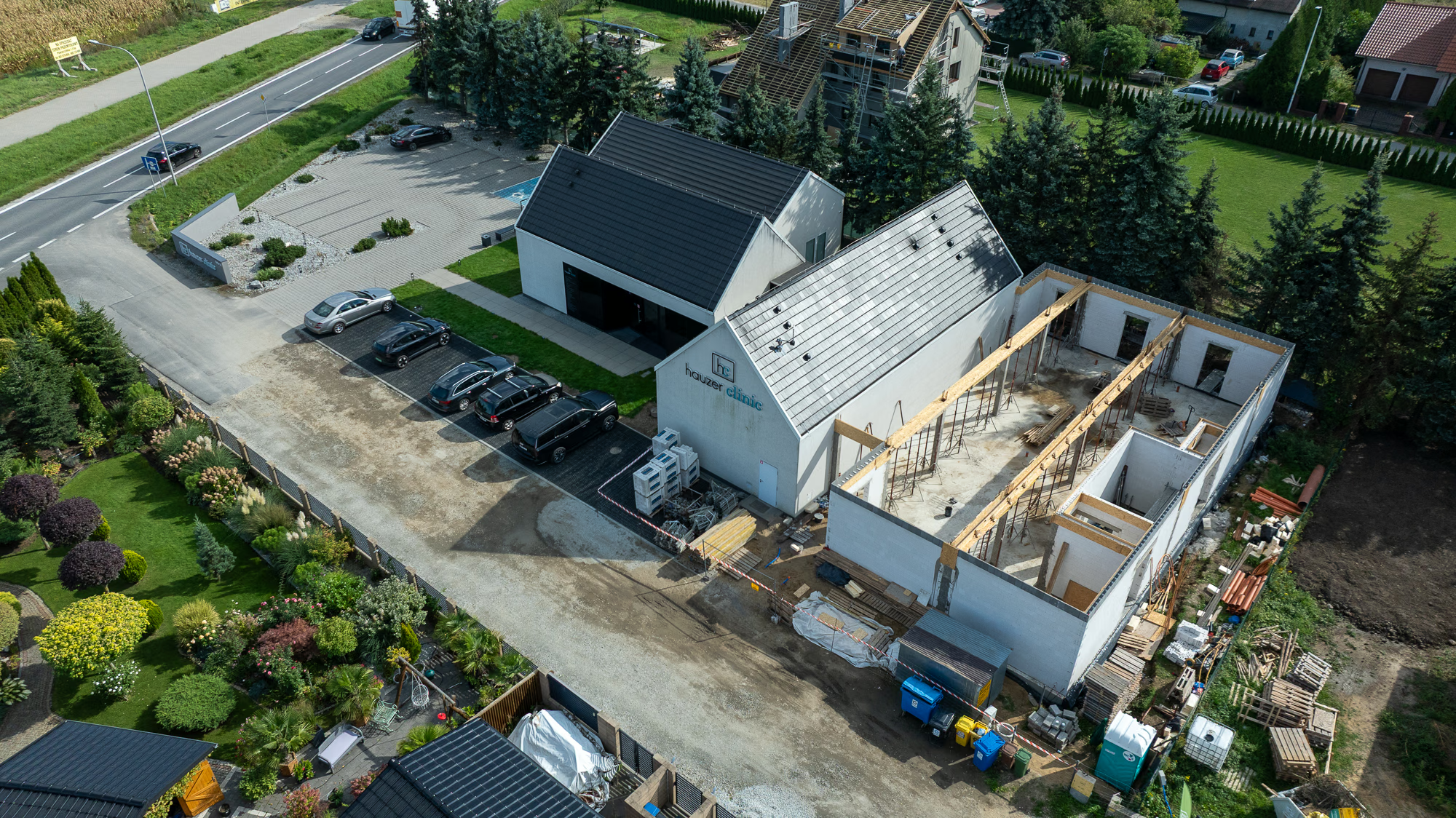
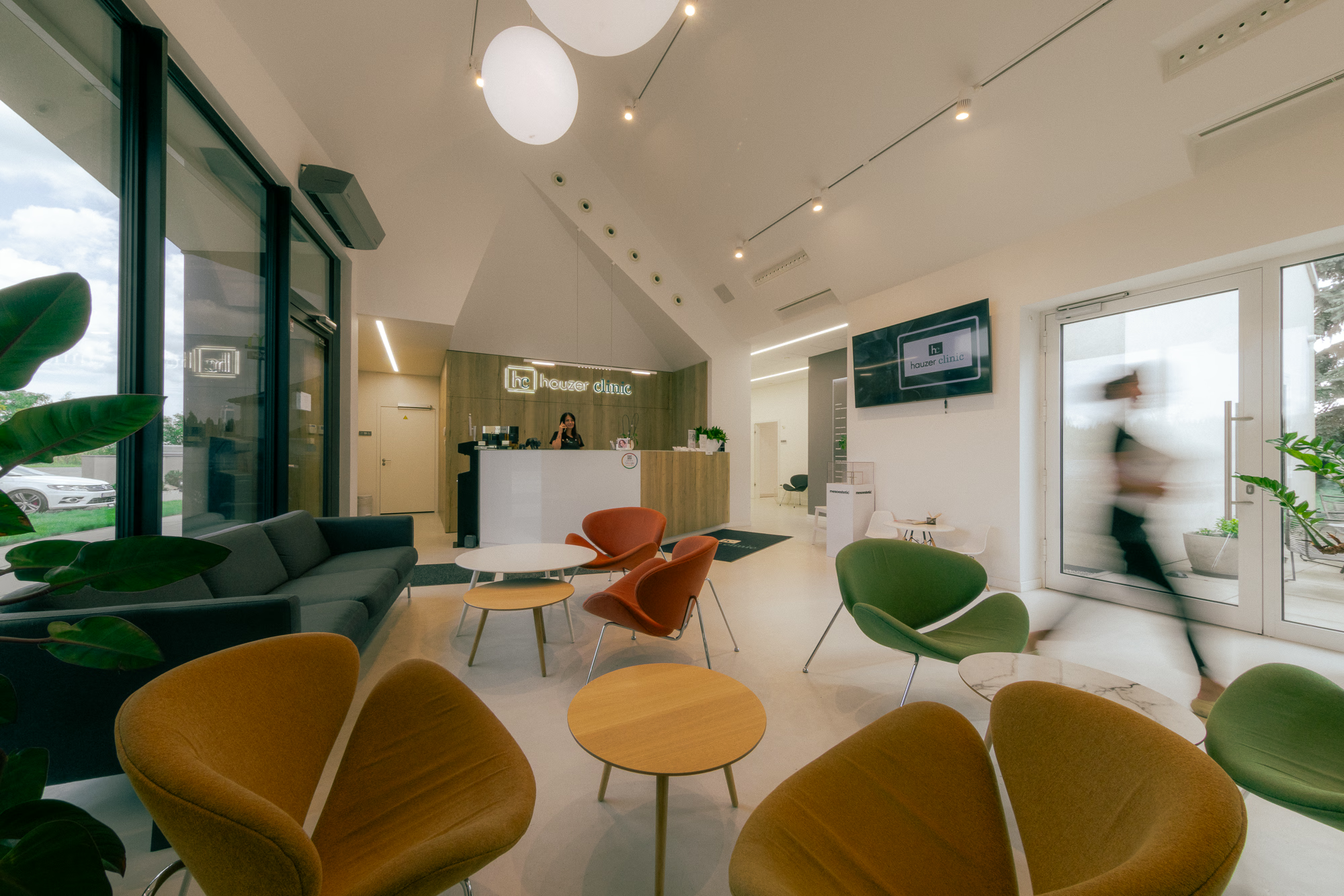
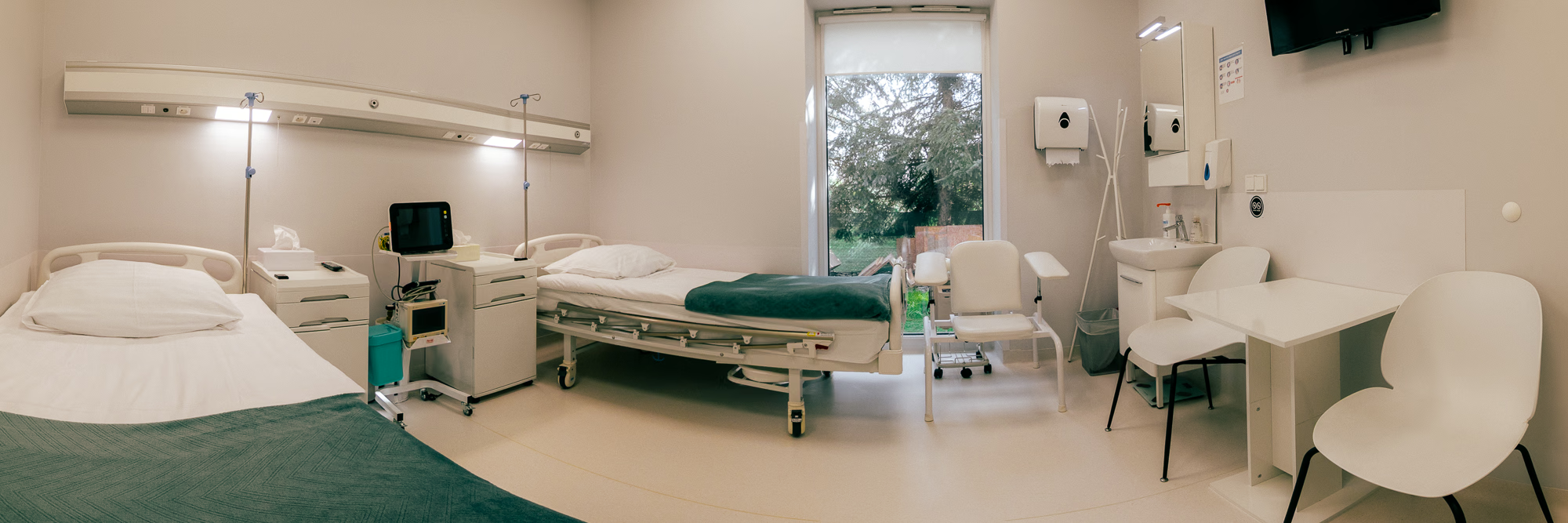
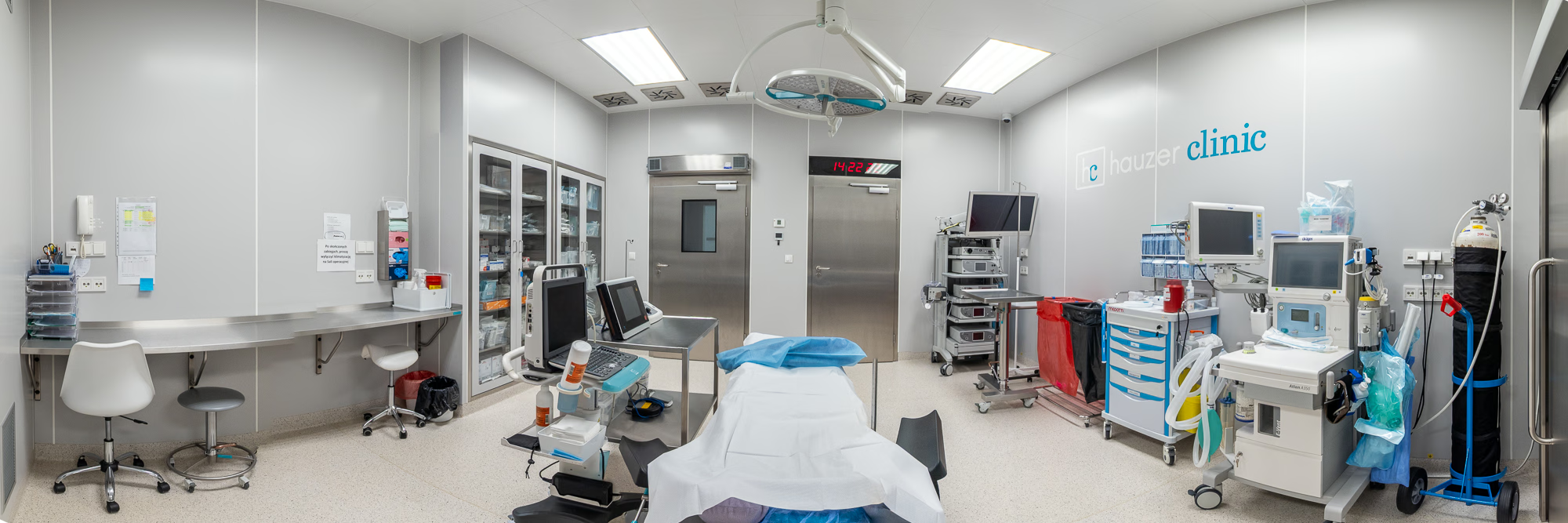
The project also included the complete visual layer — UI design, typography, colour and original photography. I photographed the clinic’s interiors and equipment, as well as the people behind its work. This allowed the interface, content and photography to share a consistent visual language instead of feeling like unrelated elements brought together at the end.



Complexity stays behind the scenes
Hauzer Clinic didn’t need a simpler website because it had little information to present. Quite the opposite. It needed one precisely because there was so much.
Thoughtful information architecture, UX design, interconnected content, automation, SEO and custom WordPress development handle the complexity that neither patients nor clinic staff should have to deal with.
A complex medical organisation didn’t need a complicated website. It needed a sophisticated system that could make the website feel simple.